

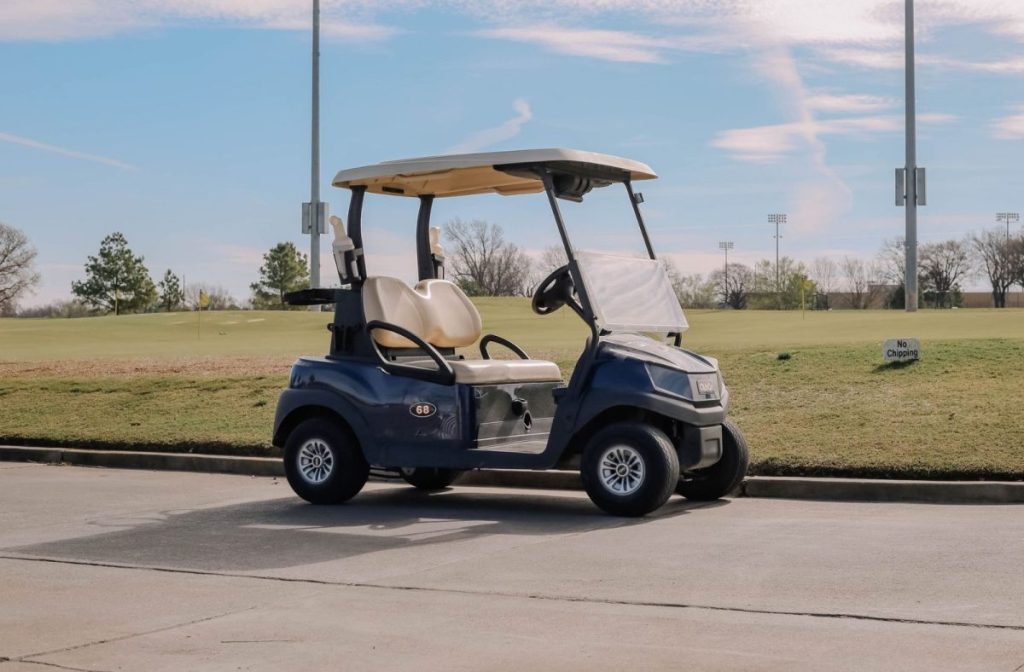
If you own a golf cart in South Florida, you already know that the sunshine, salt air, and humidity are a tough combination — not just for your skin, but for your vehicle. Whether you’re cruising through a retirement community in Boca Raton, navigating a golf course in Naples, or getting around your beachside neighborhood in Fort Lauderdale, your golf cart is constantly exposed to conditions that accelerate rust and corrosion. And if you’re not actively working to prevent it, you could be watching your resale value quietly disappear, one rust spot at a time.
In this article, we’re going to break down exactly what happens to your golf cart’s value when you ignore rust prevention — and what you can do about it before it’s too late. We’ll also share some expert insights from the team at South Florida Golf Carts, who see the long-term consequences of neglected maintenance every single day.
Why South Florida Is Especially Harsh on Golf Cart Frames and Undercarriages
South Florida is one of the most beautiful places in the country to own a golf cart. It’s also one of the most punishing environments for metal components. The region’s unique climate creates a perfect storm of corrosion-causing conditions that owners in drier, inland states simply don’t have to worry about.
Salt Air and Coastal Humidity
If you live within a few miles of the coast — and in South Florida, most people do — your golf cart is constantly being bathed in salt-laden air. Salt is one of the most aggressive accelerants of rust and oxidation. It draws moisture into microscopic cracks in paint and protective coatings, setting off an electrochemical reaction that eats through metal from the inside out. By the time you can see the rust on the surface, significant damage has often already occurred beneath it.
Year-Round Heat and UV Exposure
The intense Florida sun doesn’t just fade your cart’s body panels — it degrades protective coatings and sealants on the frame and undercarriage. When those protective layers break down, bare metal is left exposed to moisture and oxygen, which is exactly what rust needs to thrive. The heat also causes metal to expand and contract repeatedly, which can cause small cracks in coatings over time.
Rain and Standing Water
South Florida’s rainy season brings heavy, frequent downpours. Water that pools beneath a golf cart or gets trapped in the frame’s crevices and joints creates a long-lasting moisture environment. Combined with salt and heat, this is a recipe for accelerated corrosion that can compromise structural integrity faster than most owners expect.
How Rust Silently Destroys Resale Value
Here’s the hard truth: rust doesn’t just look bad. It tells a story to every potential buyer who looks at your cart. And that story is one of neglect. Even if your golf cart runs perfectly, visible rust — especially on the frame and undercarriage — signals to buyers that the vehicle hasn’t been properly maintained. That perception alone can knock hundreds, even thousands of dollars off your asking price.
“We see it all the time,” says the team at South Florida Golf Carts. “Someone brings in a cart that looks fine on the outside, but the minute we put it up and look underneath, it’s clear the undercarriage has been ignored for years. That’s an instant red flag for any serious buyer.”
The Visible Damage Problem
Rust stains, flaking metal, and orange discoloration on the frame and undercarriage are among the first things a knowledgeable buyer — or a resale dealer — will look for. In a competitive market like South Florida, where golf carts are plentiful, buyers have options. A cart with visible rust will almost always lose out to a cleaner, better-maintained alternative, even if it’s priced lower. You end up having to drop your price significantly just to move the vehicle.
The Structural Integrity Concern
Beyond aesthetics, advanced rust on the frame can actually compromise the structural safety of the cart. Rust weakens metal over time, and a frame that has been significantly corroded may not hold up the way it should under normal use. Buyers who understand this — or who hire someone to inspect the cart — will either walk away entirely or demand a price that reflects the cost of repairs. In some cases, the repair costs can exceed the cart’s actual market value.
The Ripple Effect on Other Components
Rust doesn’t stay contained to one area. Once it takes hold on the frame, it can spread to suspension components, axles, brake hardware, and battery trays. Each additional affected component adds to the buyer’s hesitation and lowers the perceived value of the cart. What started as a surface rust issue can evolve into a comprehensive mechanical concern that makes your cart very difficult to sell at a fair price.
Real Numbers: How Much Resale Value Can You Lose?
It’s difficult to pin down an exact dollar figure because resale value depends on the make, model, age, and condition of your specific cart. However, industry professionals and resale dealers in the South Florida area consistently report that carts with significant rust and corrosion issues sell for 20% to 40% less than comparable carts in clean, well-maintained condition.
To put that in perspective: if your golf cart would otherwise sell for $8,000 in excellent condition, visible rust and undercarriage corrosion could bring that number down to somewhere between $4,800 and $6,400. That’s a loss of $1,600 to $3,200 — just from ignoring rust prevention. And that doesn’t account for the cost of repairs if you decide to fix it before selling.
The cost of proper rust prevention over the life of your golf cart is almost always a fraction of the resale value you stand to lose by ignoring it.
What Buyers in South Florida Are Actually Looking For
South Florida has a robust golf cart market. Retirement communities, golf courses, beachside neighborhoods, and private communities all generate strong demand for quality used carts. But buyers here are also savvy — many of them have owned carts before and know exactly what to look for.
Undercarriage Inspections Are Common
Experienced buyers in this market routinely ask to see the undercarriage before making an offer. They’re looking for rust, corrosion, damage to suspension components, and signs of water intrusion. A clean undercarriage with intact protective coatings is a strong selling point. A rusty, neglected undercarriage is an immediate negotiating chip — for the buyer.
Documentation and Maintenance History Matter
Buyers also want to know that the cart has been regularly serviced and protected. If you can show that you’ve had the frame and undercarriage treated for rust prevention, that documentation adds credibility and confidence. It tells the buyer that you’ve been a responsible owner — and that’s worth real money in a negotiation.
Practical Rust Prevention Tips for Golf Cart Owners in South Florida
The good news is that rust prevention doesn’t have to be complicated or expensive. A consistent maintenance routine can go a long way toward preserving your cart’s condition and protecting its resale value for years to come.
Apply Undercoating or Rust-Inhibiting Spray
One of the most effective things you can do is apply a quality undercoating or rust-inhibiting spray to the frame and undercarriage. These products create a barrier between the metal and the moisture, salt, and oxygen that cause rust. They’re widely available and can be applied by a professional or a knowledgeable DIYer. It’s a good idea to reapply every year or two, especially in South Florida’s aggressive climate.
Rinse Your Cart Regularly
After exposure to salt air, rain, or coastal environments, rinse your golf cart thoroughly — including the undercarriage. A garden hose or pressure washer on a low setting can remove salt deposits before they have a chance to cause damage. This simple habit, done consistently, makes a meaningful difference over time.
Inspect for Chips and Scratches in the Paint
Small chips and scratches in the frame’s paint or protective coating are entry points for rust. Check your cart regularly and touch up any damaged areas promptly. Rust-inhibiting primer followed by a matching paint can prevent a small cosmetic issue from becoming a larger structural one.
Store Your Cart Properly
Whenever possible, store your golf cart in a covered or enclosed space. A garage, carport, or even a heavy-duty cover can significantly reduce exposure to rain, humidity, and salt air. If your cart is parked outdoors regularly, consider investing in a weather-resistant cover designed specifically for golf carts.
Schedule Professional Inspections
Having your cart inspected by a professional at least once a year is one of the smartest things you can do. The team at South Florida Golf Carts offers comprehensive maintenance services that include frame and undercarriage inspections, rust treatment, and protective coating applications. Catching problems early is always less expensive than dealing with advanced corrosion later.
When to Seek Professional Help for Rust Damage
If you’ve already noticed rust forming on your golf cart’s frame or undercarriage, don’t panic — but don’t wait, either. Surface rust that’s caught early can often be treated and sealed without major expense. However, the longer you wait, the more the rust spreads and the more costly the repair becomes.
Signs That Rust Has Become a Serious Problem
Look for rust that has penetrated through the metal rather than just sitting on the surface, structural components that feel soft or flex when they shouldn’t, flaking or pitting metal, and rust that has spread to multiple areas of the frame or undercarriage. These are signs that professional intervention is needed — and soon.
South Florida Golf Carts has the expertise and equipment to assess the extent of rust damage and recommend the most cost-effective path forward. In some cases, targeted repairs combined with protective treatment can restore a cart to sellable condition. In others, a more comprehensive restoration may be necessary. Either way, getting a professional assessment is the right first step.
The Bottom Line: Rust Prevention Is an Investment in Resale Value
Owning a golf cart in South Florida is a genuine pleasure — but it comes with responsibilities that owners in other parts of the country don’t face to the same degree. The salt air, humidity, heat, and rain create a challenging environment that demands proactive maintenance, particularly when it comes to the frame and undercarriage.
Ignoring rust prevention isn’t just a cosmetic oversight. It’s a financial decision — and not a good one. The resale value loss associated with neglected rust prevention far outweighs the modest cost of regular protective treatments and inspections. Whether you’re planning to sell your cart in two years or ten, the condition of your frame and undercarriage will play a significant role in what you’re able to get for it.
If you’re not sure where your cart stands right now, reach out to the professionals at South Florida Golf Carts. They can evaluate your cart’s current condition, recommend the right rust prevention treatments for your specific situation, and help you build a maintenance plan that protects your investment for the long haul. In South Florida’s demanding climate, that kind of expert guidance isn’t just helpful — it’s essential.
Take care of your cart, and it will take care of your wallet when it’s time to sell. That’s a trade-off worth making.