

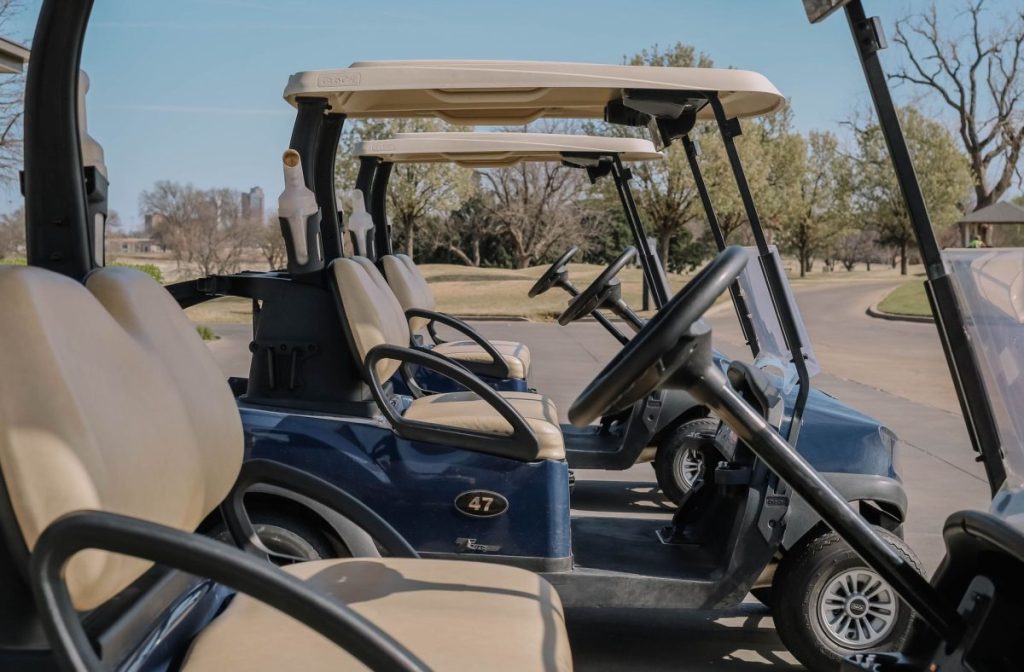
If you’ve spent any time researching golf cart batteries in South Florida, you’ve probably come across a persistent myth that keeps circulating in online forums, golf course pro shops, and neighborhood Facebook groups: that lithium golf cart batteries degrade faster than traditional lead acid batteries. It’s a claim that gets repeated often enough that many cart owners accept it as fact — but the reality tells a very different story.
At South Florida Golf Carts, we hear this concern from customers on a near-daily basis. People come in ready to invest in a lithium upgrade, only to hesitate because someone told them lithium batteries “don’t last.” So today, we’re setting the record straight with real data, real science, and real-world experience from one of the most demanding environments for battery performance in the entire country: South Florida.
Understanding the Myth: Where Did This Idea Come From?
Before we can debunk the myth, it helps to understand where it originated. The confusion largely stems from early consumer lithium products — think smartphones, laptops, and the first generation of lithium-ion power tools. These devices used lithium-ion chemistry that was, in some cases, prone to capacity loss under heavy use or improper charging cycles.
When people started seeing their phone batteries hold less charge after a year or two, they naturally applied that experience to all lithium products. But here’s the critical distinction: the lithium batteries used in modern golf carts are not the same chemistry as the lithium-ion cells in your iPhone. Most quality golf cart lithium batteries use Lithium Iron Phosphate (LiFePO4) chemistry, which is fundamentally more stable, more durable, and far more resistant to degradation.
The second source of confusion comes from improper comparisons. When someone says “my lead acid battery lasted 5 years,” they’re often not accounting for the dramatic reduction in performance that happened during years 3, 4, and 5. Lead acid batteries don’t just stop working one day — they slowly lose capacity over time, often without the owner fully realizing how much range and power they’ve lost. Lithium batteries, by contrast, tend to maintain consistent performance right up until end of life, which makes the comparison feel unfair even when it isn’t.
The Science Behind Lithium Iron Phosphate Battery Longevity
Let’s get into the numbers, because this is where the myth really falls apart.
Cycle Life: The Most Important Metric You’re Probably Ignoring
When comparing battery longevity, the most meaningful metric isn’t calendar age — it’s cycle life, which refers to how many complete charge-discharge cycles a battery can undergo before its capacity drops to 80% of its original rating.
Here’s how the two technologies compare under standard conditions:
- Flooded Lead Acid (FLA) batteries: Typically rated for 500 to 800 cycles at 50% depth of discharge (DoD)
- AGM Lead Acid batteries: Generally rated for 400 to 600 cycles at 50% DoD
- Lithium Iron Phosphate (LiFePO4) batteries: Typically rated for 2,000 to 5,000 cycles at 80% DoD
Let that sink in for a moment. A quality LiFePO4 battery can handle up to ten times more charge cycles than a comparable lead acid battery — and it can do so at a deeper depth of discharge, meaning you’re actually using more of the battery’s available capacity each time.
“When you account for usable capacity and cycle life together, a lithium golf cart battery typically delivers three to five times more total energy over its lifetime than a lead acid battery of the same nominal voltage.”
Depth of Discharge and Why It Matters in South Florida
South Florida golf cart owners face unique challenges that accelerate battery wear. The combination of year-round use, high ambient temperatures, frequent short trips within gated communities and golf courses, and the occasional long haul across sprawling properties means batteries here work harder than almost anywhere else in the country.
Lead acid batteries are particularly sensitive to deep discharge. Discharging a lead acid battery below 50% of its capacity significantly shortens its lifespan. In practice, this means that a 100Ah lead acid battery only gives you about 50Ah of usable capacity if you want it to last. Discharge it deeper, and you’re shaving months — sometimes years — off its service life.
Lithium Iron Phosphate batteries, on the other hand, can be safely discharged to 80% or even 90% of their capacity without meaningful degradation. This means a 100Ah lithium battery gives you 80 to 90Ah of truly usable power. In the real world, that translates to significantly more range per charge and far less wear per cycle.
Temperature Performance in the South Florida Climate
Here’s where things get particularly interesting for anyone living in Miami-Dade, Broward, or Palm Beach counties. South Florida’s subtropical climate means temperatures regularly exceed 90°F, and humidity levels are consistently high. Both of these factors affect battery performance and longevity — but not equally for both battery types.
Lead acid batteries are notoriously sensitive to heat. High temperatures accelerate the chemical reactions inside a lead acid cell, which sounds like it might be a good thing but is actually deeply damaging. Elevated temperatures cause water loss through evaporation, accelerate plate corrosion, and speed up sulfation — the buildup of lead sulfate crystals that permanently reduces capacity. For every 15°F rise in average temperature above 77°F, the service life of a lead acid battery can be cut nearly in half.
Lithium Iron Phosphate batteries are considerably more tolerant of heat. While they still benefit from being stored in cooler environments, their chemistry is far more stable at elevated temperatures. They don’t suffer from water loss, sulfation, or the same plate degradation mechanisms that plague lead acid batteries in hot climates. This is a significant advantage for South Florida cart owners who store their vehicles in garages, carports, or outdoor areas where temperatures can easily reach 100°F or more during summer months.
Proper Maintenance: The Key Variable That Changes Everything
Now we get to the heart of the matter. The reason the myth persists — that lithium batteries degrade faster — is almost always tied to improper maintenance or improper use. And this is where we need to be completely honest: any battery, lithium or lead acid, will degrade faster if it’s mistreated.
What “Proper Maintenance” Looks Like for Lithium Batteries
The good news is that lithium golf cart batteries require significantly less maintenance than their lead acid counterparts. Here’s what proper care looks like:
Charging Practices
Lithium batteries should be charged with a lithium-compatible charger. This is non-negotiable. Using a lead acid charger on a lithium battery is one of the fastest ways to damage the cells and reduce longevity. Quality lithium chargers communicate with the battery’s built-in Battery Management System (BMS) to deliver the correct voltage and current profiles.
Unlike lead acid batteries, lithium batteries do not need to be kept at full charge when not in use. In fact, storing a lithium battery at 50-80% charge is often better for long-term health than keeping it topped off at 100%. This is a key difference from lead acid batteries, which should be kept fully charged to prevent sulfation.
The Battery Management System (BMS)
Every quality lithium golf cart battery includes a built-in Battery Management System that monitors cell voltage, temperature, and current in real time. The BMS automatically protects the battery from overcharging, over-discharging, short circuits, and thermal events. This built-in intelligence is a major reason why lithium batteries maintain their performance so well over time — the BMS prevents the kind of accidental abuse that kills lead acid batteries prematurely.
Storage During Extended Periods
If you’re leaving your golf cart unused for an extended period — say, you’re heading north for a few months (though in South Florida, most people are heading the opposite direction) — store your lithium battery at a partial state of charge, ideally between 40% and 60%. Avoid storing it in extreme heat, and disconnect it from any parasitic loads if possible.
What “Proper Maintenance” Looks Like for Lead Acid Batteries
By comparison, flooded lead acid batteries require significantly more hands-on attention to achieve their rated lifespan. Proper maintenance includes:
- Checking and topping off distilled water every 4 to 8 weeks
- Keeping terminals clean and free of corrosion
- Performing equalization charges periodically to balance cells
- Never discharging below 50% state of charge
- Always fully recharging after each use
- Inspecting for cracks, leaks, and bulging cases
The reality is that most golf cart owners — even diligent ones — don’t maintain their lead acid batteries with the level of care required to achieve maximum lifespan. Missed watering intervals, occasional deep discharges, and inconsistent charging all add up. When a lead acid battery fails “early,” it’s often because the maintenance requirements weren’t fully met. When a lithium battery fails early, it’s almost always because it was used with the wrong charger or subjected to conditions outside its operating parameters.
Real-World Longevity Comparison: What South Florida Golf Cart Owners Actually Experience
At South Florida Golf Carts, we’ve been working with both battery technologies for years, and the pattern we see consistently tells the same story. Customers who invest in quality lithium batteries and follow basic usage guidelines routinely get 8 to 12 years of reliable service. Customers with lead acid batteries who are diligent about maintenance typically see 4 to 6 years. Those who aren’t quite as diligent — which, honestly, is most people — often see lead acid batteries fail in 2 to 4 years.
When you factor in the cost of replacement, the math becomes compelling. A set of quality lithium batteries may cost more upfront, but if they last twice as long as lead acid batteries while requiring far less maintenance, the total cost of ownership over a 10-year period is often lower for lithium.
“The upfront cost of lithium is higher, but when you’re replacing lead acid every 3-4 years in South Florida’s heat, lithium almost always wins on total cost of ownership over a 10-year horizon.”
A Note on Brand and Quality
Not all lithium golf cart batteries are created equal. The wide range in price and performance can be confusing, but the key differentiators are the quality of the cells, the sophistication of the BMS, and the warranty offered by the manufacturer. Budget lithium batteries using lower-grade cells may indeed degrade faster, which contributes to the myth. Quality batteries from reputable manufacturers, properly installed and used with compatible charging equipment, will perform as advertised.
This is why working with a knowledgeable local dealer matters. At South Florida Golf Carts, we only carry lithium battery systems that we’ve vetted for performance and longevity in our specific climate. We’ve seen the failures that come from cheap imports, and we’ve seen the long-term success that comes from quality products properly installed.
Common Misconceptions Addressed Directly
Misconception #1: “Lithium Batteries Lose 20% Capacity in the First Year”
This is a claim that sometimes gets applied to lithium golf cart batteries based on observations of consumer electronics. Quality LiFePO4 batteries used in golf carts typically lose less than 2-3% of their capacity per year under normal use conditions. After 2,000 cycles — which might represent 5 to 7 years of regular use — they typically retain 80% or more of their original capacity. This is dramatically better than lead acid batteries, which can lose 20% or more of their effective capacity within the first year under heavy use in hot climates.
Misconception #2: “The Heat in South Florida Will Destroy Lithium Batteries”
As we discussed earlier, heat is actually harder on lead acid batteries than on lithium Iron Phosphate batteries. The BMS in lithium batteries includes thermal protection that will reduce charging current or temporarily suspend operation if temperatures exceed safe thresholds. Lead acid batteries have no such protection. The sulfation and plate degradation that occurs in hot lead acid batteries is a passive, ongoing process with no built-in mitigation.
Misconception #3: “You Can’t Charge Lithium Batteries in the Heat”
Quality lithium batteries can be safely charged in ambient temperatures up to around 113°F (45°C), and the BMS will manage the process safely. In South Florida’s typical climate, this is rarely a limiting factor. What you should avoid is charging any battery — lithium or lead acid — in direct sunlight during peak summer hours, as the battery case itself can reach temperatures that stress the cells. A shaded garage or carport is ideal for charging.
Misconception #4: “Lead Acid Is More Reliable Because It’s Proven Technology”
Lead acid technology is certainly proven — it’s been around for over 150 years. But “proven” doesn’t mean “better.” Lithium Iron Phosphate chemistry has now been in commercial use for golf carts and electric vehicles for well over a decade, with extensive real-world performance data available. The technology is mature, the failure modes are well understood, and the performance advantages are consistently documented. Choosing lead acid over lithium because it’s “more proven” is a bit like choosing a rotary phone over a smartphone because telephones have been around longer.
How to Maximize Lithium Battery Life in South Florida Specifically
Given our unique climate and usage patterns, here are some specific recommendations for South Florida golf cart owners looking to get the most out of their lithium batteries:
Shade and Storage
Whenever possible, store your golf cart in a shaded area. A carport, garage, or even a quality cart cover can make a significant difference in the ambient temperature your batteries experience during storage. In South Florida, where temperatures in enclosed spaces can easily exceed 110°F during summer afternoons, this matters.
Charge After Every Use
Unlike lead acid batteries, lithium batteries don’t suffer from being partially charged. However, it’s still good practice to plug in after every use. Modern lithium chargers are smart enough to stop charging when the battery is full, so there’s no risk of overcharging. Keeping your battery in a healthy state of charge ensures it’s always ready when you need it.
Use the Right Charger
We cannot stress this enough: use a charger specifically designed for your lithium battery system. If you’ve upgraded from lead acid to lithium, your old charger needs to be replaced. The team at South Florida Golf Carts can help you select the right charger for your specific battery configuration.
Watch for Software Updates
Some premium lithium battery systems include BMS firmware that can be updated. Manufacturers occasionally release updates that improve charging algorithms, thermal management, and overall performance. Check with your dealer or the battery manufacturer periodically to see if updates are available for your system.
Annual Inspections
While lithium batteries require far less hands-on maintenance than lead acid, an annual inspection by a qualified technician is still worthwhile. This includes checking connection torque, inspecting for any signs of physical damage, verifying charger compatibility, and reviewing BMS data if accessible. South Florida Golf Carts offers battery health checks as part of routine service appointments.
The Environmental Case for Lithium Batteries
Beyond performance and longevity, there’s an environmental dimension to this conversation that’s worth mentioning. Lead acid batteries contain significant amounts of lead and sulfuric acid, both of which require careful handling and disposal. While lead acid batteries have a well-established recycling infrastructure, the recycling process itself is energy-intensive and not without environmental impact.
Lithium Iron Phosphate batteries, while not without their own environmental considerations, are generally considered to have a lower environmental impact over their full lifecycle when you account for their longer service life. Fewer battery replacements mean less manufacturing, less transportation, and less end-of-life processing. In a state like Florida, where environmental stewardship is increasingly important given the fragility of our ecosystems, this is a meaningful consideration.
Making the Right Decision for Your Golf Cart
So, should you switch to lithium? For most South Florida golf cart owners, the answer is a clear yes — especially if you’re already facing a lead acid battery replacement. Here’s a simple framework for thinking through the decision:
Consider Lithium If:
- You use your cart frequently (multiple times per week)
- You want to minimize ongoing maintenance
- You plan to keep your cart for 5 or more years
- You value consistent performance throughout the discharge cycle
- You’re tired of watering batteries and dealing with corrosion
- You want the best performance in South Florida’s heat
Lead Acid May Still Make Sense If:
- You have a very tight budget and upfront cost is the primary constraint
- You use your cart infrequently and plan to sell or replace it within a few years
- Your existing charger and electrical system aren’t compatible with lithium upgrades
Even in the cases where lead acid might seem more appropriate, we’d encourage a conversation with our team at South Florida Golf Carts before making a final decision. There are often financing options and bundle deals that make lithium more accessible than people expect, and the long-term savings frequently justify the investment.
Final Thoughts: Don’t Let the Myth Cost You Money
The myth that lithium golf cart batteries degrade faster than lead acid batteries is, at its core, a misunderstanding rooted in outdated information and unfair comparisons. When you look at the actual science — cycle life, depth of discharge tolerance, thermal stability, and real-world performance data — lithium Iron Phosphate batteries are objectively superior in virtually every measure of longevity that matters to a golf cart owner.
In South Florida’s demanding climate, where heat accelerates every form of battery degradation, the advantages of lithium are even more pronounced. The batteries that struggle in our subtropical heat are the lead acid ones, not the lithium ones.
Proper maintenance matters for both technologies, but lithium’s maintenance requirements are simpler, less time-consuming, and more forgiving of occasional lapses. A well-maintained lithium battery in South Florida can realistically deliver 10 or more years of reliable service — a track record that very few lead acid installations can match.
If you’re ready to learn more, have questions about whether lithium is right for your specific cart and usage pattern, or want to explore your upgrade options, the team at South Florida Golf Carts is here to help. We’ve guided hundreds of South Florida golf cart owners through this decision, and we’re happy to share what we’ve learned. Don’t let a persistent myth keep you from the best battery technology available for your cart.
“The best battery for your golf cart isn’t determined by what someone told you at the golf course — it’s determined by the science, the data, and the real-world experience of people who work with these systems every day in your climate.”
Stop letting misinformation drive your battery decisions. The facts are on lithium’s side — and in South Florida’s heat, that matters more than anywhere else.