

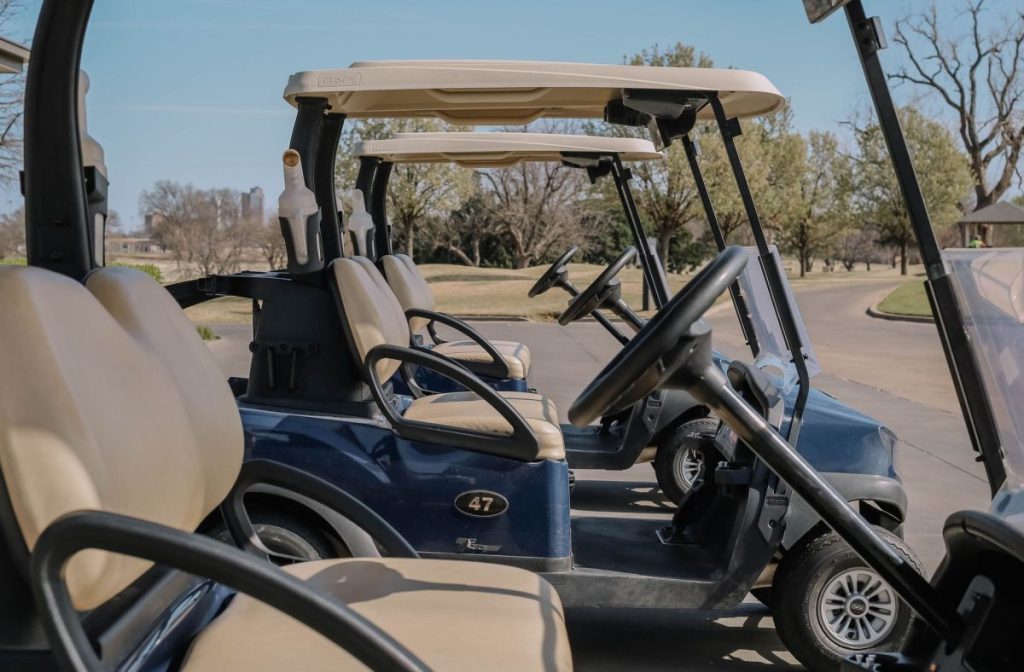
If you own a golf cart in South Florida, you already know how essential these little vehicles are to daily life. Whether you’re cruising through a retirement community in Boca Raton, zipping around a golf course in Naples, or navigating your neighborhood in The Villages, golf carts are a serious investment — and like any investment, they require consistent care to hold their value and keep running smoothly.
The problem? Too many golf cart owners wait until something breaks before they call a technician. That reactive approach might seem like it saves money in the short term, but the reality is quite the opposite. Skipping routine preventative maintenance can turn a $50 fix into a $1,500 repair bill seemingly overnight. The South Florida climate — with its intense heat, humidity, and salt air — makes this problem even worse, accelerating wear and tear on virtually every component of your cart.
At South Florida Golf Carts, we see this pattern play out constantly. Owners come in frustrated, having ignored small warning signs for months, only to face major repair bills that could have been avoided entirely. That’s why we put together this guide: to help you understand exactly which five preventative repairs make the biggest difference — and how staying on top of them can save you thousands of dollars every single year.
Why South Florida’s Climate Is Especially Hard on Golf Carts
Before diving into the specific repairs, it’s worth understanding why golf cart maintenance is particularly critical in South Florida compared to other parts of the country. The combination of high temperatures, near-constant humidity, heavy rainfall, and coastal salt air creates a uniquely challenging environment for mechanical and electrical components alike.
Batteries discharge faster in extreme heat. Metal components corrode more quickly near the coast. Rubber seals and gaskets degrade rapidly under UV exposure. Tires wear unevenly on hot asphalt. All of these factors compound over time, meaning that a golf cart in Miami or Fort Lauderdale needs more frequent attention than the same model sitting in a dry climate like Arizona or Nevada.
“In South Florida, we recommend golf cart owners increase their preventative maintenance schedule by about 30% compared to national averages. The climate simply demands it.” — South Florida Golf Carts Service Team
With that context in mind, let’s look at the five preventative repairs that have the most significant impact on your long-term costs.
1. Battery Maintenance and Water Level Checks
The Hidden Cost of Neglected Batteries
For electric golf cart owners, the battery pack is the single most expensive component in the vehicle. A full battery replacement for a standard 48-volt golf cart can run anywhere from $800 to $2,000 or more, depending on the brand and configuration. Yet many owners don’t realize that proper battery maintenance can extend battery life by two to four years — a difference that translates directly into thousands of dollars saved.
In South Florida’s heat, batteries work harder and lose water through evaporation much faster than in cooler climates. Lead-acid batteries — still the most common type in golf carts — require regular distilled water top-offs to keep the cells functioning properly. When the water level drops too low, the battery plates are exposed to air, causing irreversible sulfation that permanently reduces capacity and lifespan.
What Preventative Battery Care Looks Like
Proper battery maintenance involves checking water levels every 30 days during heavy use seasons (and every 45 to 60 days during lighter use periods), cleaning battery terminals to prevent corrosion buildup, ensuring the charging system is functioning correctly, and performing equalization charges periodically to balance the cells.
The cost of a routine battery service check? Typically between $30 and $75. The cost of replacing a battery pack you burned out through neglect? Up to $2,000. The math speaks for itself.
2. Tire Inspection and Rotation
More Than Just Rubber on the Road
Tires might seem like a straightforward maintenance item, but they’re connected to a much larger network of components — including your cart’s suspension, wheel bearings, and steering system. In South Florida, where golf carts frequently travel on hot pavement, through sandy paths, and across wet surfaces, tire wear is accelerated and uneven wear patterns develop more quickly.
Driving on underinflated or unevenly worn tires puts extra stress on wheel bearings and suspension components. What starts as a $60 tire rotation or $120 tire replacement can snowball into a $400 to $800 wheel bearing replacement if the problem is ignored long enough.
How Often Should You Check Your Tires?
South Florida Golf Carts recommends a tire pressure check at least once a month, with a full inspection every three months. Look for uneven wear patterns, cracking in the sidewalls (especially common in UV-heavy environments), and any signs of bulging or damage. Rotating tires every six months helps distribute wear evenly and significantly extends their useful life.
A proper tire inspection and rotation service typically costs between $40 and $80. Replacing a damaged wheel bearing assembly that could have been avoided? That’s a $400 to $800 bill you don’t want to see.
3. Belt and Cable Inspections for Gas-Powered Carts
The Small Parts That Control Everything
For gas-powered golf cart owners, drive belts and throttle cables are among the most commonly overlooked maintenance items — and among the most consequential when they fail. These components experience constant friction, heat, and tension during normal operation, and South Florida’s humidity and temperature swings cause rubber belts to crack and cables to fray much faster than manufacturers’ standard estimates account for.
A worn drive belt that snaps unexpectedly doesn’t just leave you stranded. It can damage the clutch assembly, the drive system, and other connected components in a chain-reaction failure that turns a $40 belt replacement into a $600 to $1,200 repair job.
Signs You Shouldn’t Ignore
Watch for slipping during acceleration, squealing sounds when the cart moves, sluggish performance on inclines, or visible cracking and fraying on the belt surface. Throttle cables that feel sticky, loose, or unresponsive are another red flag. These are signs that a simple, inexpensive replacement is overdue.
Routine belt and cable inspections should happen at least twice a year in South Florida’s climate. The cost of a belt replacement during a scheduled service? Around $40 to $80. The cost of a clutch assembly repair triggered by a belt failure? Easily $600 or more.
4. Brake System Maintenance
Safety First — But Also Your Wallet
Brake maintenance is one of those areas where the stakes go beyond just money. Properly functioning brakes are a safety issue, plain and simple. But from a purely financial standpoint, neglecting your brake system is also one of the fastest ways to rack up expensive repair bills.
Golf cart brakes — whether drum or disc style — wear down gradually over time. In South Florida, where carts are used year-round (often daily), brake wear happens faster than in seasonal-use environments. Worn brake pads or shoes don’t just reduce stopping power; they eventually grind against the drum or rotor, causing metal-on-metal contact that damages the entire braking assembly.
What a Proper Brake Service Includes
A comprehensive brake inspection should include checking pad or shoe thickness, inspecting drums and rotors for scoring or warping, testing the brake cable tension, and examining the master cylinder (on hydraulic systems) for leaks or wear. In humid South Florida conditions, brake cables are also prone to corrosion and should be lubricated and inspected regularly.
“We always tell customers: brake pads are one of the cheapest parts we replace. But the drum or rotor they damage when ignored? That’s a completely different conversation.” — South Florida Golf Carts Service Technician
Replacing brake pads or shoes during a routine service typically costs between $60 and $150. Replacing a damaged drum or rotor assembly because worn pads were ignored too long? That repair can run $300 to $600 or more — and that doesn’t include the safety risk in the meantime.
5. Electrical System and Connection Checks
The Most Underestimated Maintenance Item in South Florida
Electrical system maintenance might be the single most overlooked category among golf cart owners, yet it’s arguably the most important one in a coastal, humid environment like South Florida. Corrosion on electrical connections is an absolute epidemic in this region. Salt air, moisture, and heat combine to attack wiring harnesses, connectors, solenoids, and controllers in ways that simply don’t happen in drier climates.
A corroded connection that causes intermittent power loss or erratic behavior might seem like a minor annoyance at first. But left unaddressed, that corrosion spreads, causes voltage drops, and can eventually damage the controller — one of the most expensive components in an electric golf cart, often costing $300 to $700 to replace.
What Electrical Preventative Maintenance Involves
Proper electrical system maintenance includes inspecting all wiring connections for corrosion and cleaning them with appropriate contact cleaner, checking the solenoid for proper function, testing the charger output to ensure it’s delivering the correct voltage, and inspecting the controller for any signs of heat damage or moisture intrusion.
For gas carts, spark plug inspection and replacement, air filter cleaning, and fuel system checks fall into this category as well. South Florida’s humidity can cause fuel system issues — including carburetor gumming — that are easily prevented with routine service but expensive to fix once they develop.
A comprehensive electrical inspection at a reputable shop like South Florida Golf Carts typically costs between $50 and $100. Replacing a fried controller because corrosion was allowed to spread unchecked? That’s a $400 to $700 bill — and that assumes no secondary damage to other components.
The True Cost of Skipping Preventative Maintenance
Let’s put this all in perspective with some real numbers. If you invest in all five of these preventative maintenance areas on a regular schedule, you’re likely looking at an annual maintenance budget of approximately $300 to $600, depending on your cart’s age, type, and usage patterns.
Now consider what happens when owners skip that maintenance. Based on the repair scenarios we’ve outlined above, a single season of neglect can easily result in:
A battery pack replacement ($800 to $2,000), a wheel bearing repair triggered by tire neglect ($400 to $800), a clutch assembly repair from a failed belt ($600 to $1,200), a brake drum replacement from worn pads ($300 to $600), and a controller replacement from electrical corrosion ($400 to $700).
That’s a potential total of $2,500 to $5,300 in a single repair cycle — compared to the $300 to $600 annual preventative maintenance investment that could have prevented all of it. When framed that way, preventative maintenance isn’t an expense. It’s one of the smartest financial decisions a golf cart owner can make.
How South Florida Golf Carts Can Help You Stay Ahead of Repairs
At South Florida Golf Carts, we’ve built our reputation on helping owners throughout the region keep their carts running reliably, safely, and cost-effectively. Our certified service technicians understand the specific challenges that South Florida’s climate presents, and we’ve developed maintenance schedules and service packages designed specifically for this environment — not generic national recommendations that don’t account for our unique conditions.
Whether you own a Club Car, EZ-GO, Yamaha, or any other major brand, our team has the expertise and parts inventory to keep your cart in peak condition. We offer comprehensive preventative maintenance packages that cover all five of the critical areas discussed in this article, giving you peace of mind and protecting your investment for years to come.
We serve customers throughout South Florida, including Miami-Dade, Broward, and Palm Beach counties, as well as communities along the Treasure Coast and Southwest Florida. Our goal is simple: help you avoid the expensive, frustrating repair bills that come from deferred maintenance, and keep you enjoying your golf cart rather than worrying about it.
Final Thoughts: Small Investments, Big Savings
The message here is straightforward: preventative golf cart maintenance is not optional in South Florida — it’s essential. The climate is simply too demanding, and the cost differential between proactive care and reactive repairs is too significant to ignore.
By staying on top of battery maintenance, tire care, belt and cable inspections, brake servicing, and electrical system checks, you can realistically save thousands of dollars every year while also extending the overall lifespan of your cart. A well-maintained golf cart can last 20 years or more. A neglected one might need major overhauls every three to five years — or end up being replaced entirely before its time.
“The best repair is the one you never need because you took care of the small things before they became big things.”
If you’re not sure when your golf cart last had a comprehensive service, that’s a sign it’s time to schedule one. Contact South Florida Golf Carts today to set up a preventative maintenance inspection and get ahead of the issues that could be quietly developing in your cart right now. Your future self — and your bank account — will thank you.