

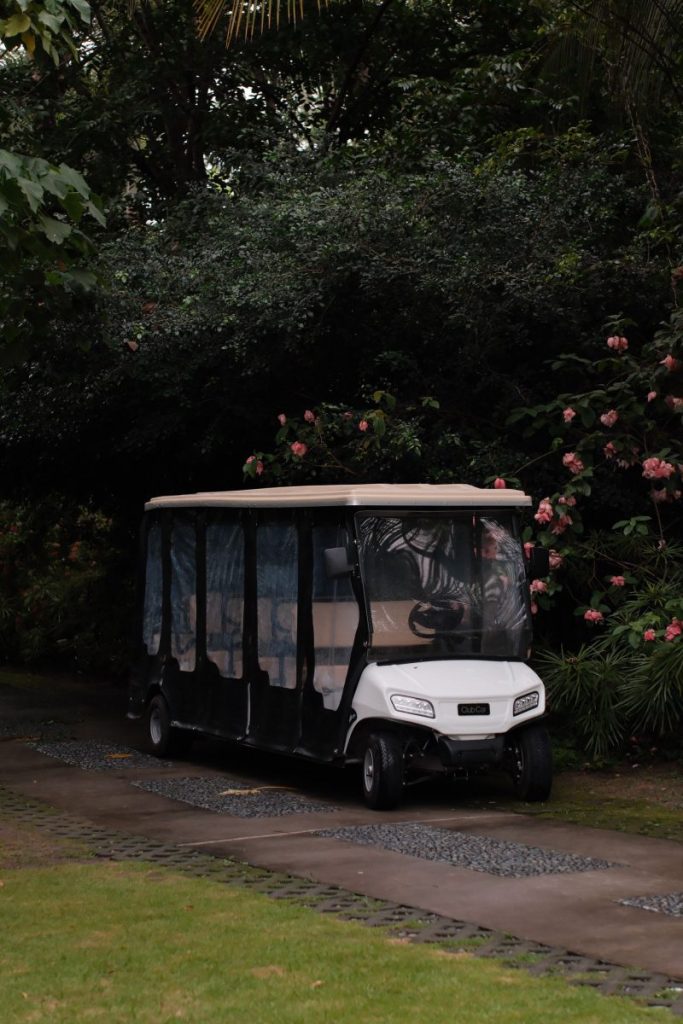
Summer in South Florida is no joke. Between the scorching heat, afternoon thunderstorms, and the constant demand for smooth rides across golf courses, retirement communities, and beachside neighborhoods, your golf cart takes a serious beating. Before the season hits full swing, there’s one area of your cart that deserves your immediate attention: the front suspension system.
Most golf cart owners think about battery life, tire pressure, or brake performance — and those are all important. But the front suspension is often the unsung hero of a smooth, safe, and reliable ride. Neglecting it before summer can lead to costly repairs, dangerous handling, and a whole lot of frustration when you’re trying to enjoy the season. In this guide, we’ll walk you through the most critical golf cart front suspension repairs you simply can’t afford to skip before summer arrives.
Why Front Suspension Matters More in South Florida
South Florida’s unique environment creates challenges that golf cart owners in other parts of the country simply don’t face. The combination of high humidity, salt air (especially near coastal communities), intense UV radiation, and frequent rain creates conditions that accelerate wear and corrosion on metal components — including your front suspension system.
From the golf courses of Boca Raton and the retirement villages of The Villages to the waterfront communities of Fort Lauderdale and Miami Beach, golf carts are used year-round here. That means by the time summer rolls around, your suspension has already been working hard. Add the summer heat and increased usage, and you’ve got a recipe for suspension failure if you haven’t done your pre-season maintenance.
“In South Florida’s climate, golf cart suspension components can wear two to three times faster than in drier, cooler climates. Pre-summer inspections aren’t just recommended — they’re essential.”
Beyond the environmental factors, South Florida roads and pathways present their own challenges. Uneven pavement, speed bumps, curb cuts, and sandy terrain all put extra stress on your front suspension. Whether you’re cruising through a gated community in Delray Beach or navigating a golf course in Naples, your front suspension is working constantly to keep your ride smooth and your cart stable.
Understanding Your Golf Cart’s Front Suspension System
Before we dive into specific repairs, it’s helpful to understand what makes up a typical golf cart front suspension system. Most modern golf carts — including popular brands like Club Car, EZGO, and Yamaha — use an independent front suspension (IFS) system, though some older models use a solid front axle setup.
Key Components of Golf Cart Front Suspension
Understanding the key components helps you know what to look for during an inspection and why each repair matters:
- A-Arms (Control Arms): These triangular metal arms connect the wheel hub to the frame and allow the wheel to move up and down independently.
- Ball Joints: These pivot points connect the A-arms to the wheel hub and allow for steering movement.
- Tie Rods and Tie Rod Ends: These components connect the steering rack to the wheel hubs and control the direction of the front wheels.
- Spindles: The spindle connects the wheel hub to the suspension arms and allows the wheel to rotate and steer.
- Leaf Springs or Coil Springs: These absorb road shock and support the weight of the cart.
- Shock Absorbers: These dampen the movement of the springs to provide a smoother ride.
- Bushings: Rubber or polyurethane inserts that reduce friction and absorb vibration at pivot points.
Each of these components plays a specific role in how your cart handles, steers, and absorbs road impact. When any one of them fails or wears out, the entire system is compromised — and in some cases, your safety is at risk.
Critical Front Suspension Repairs to Address Before Summer
1. Ball Joint Inspection and Replacement
Ball joints are arguably the most critical safety component in your front suspension system. They allow the wheel to move in multiple directions while maintaining a secure connection to the suspension arms. When ball joints wear out, they develop excessive play, which leads to loose steering, uneven tire wear, and in extreme cases, complete wheel separation from the cart.
In South Florida’s humid, salt-air environment, ball joints are particularly vulnerable to corrosion and accelerated wear. You’ll know a ball joint is failing if you notice clunking or clicking sounds when going over bumps, a wandering steering wheel, or uneven tire wear on the front tires.
How to Check Your Ball Joints
To check your ball joints, safely lift the front of the cart off the ground and grab the tire at the 12 and 6 o’clock positions. Try to rock the tire up and down. Any noticeable play or clunking indicates a worn ball joint that needs immediate replacement. Also grab the tire at 9 and 3 o’clock and try to wiggle it — this checks for tie rod end play as well.
Ball joint replacement is not a complex job for an experienced technician, but it’s not something to ignore or delay. Worn ball joints can lead to sudden loss of steering control, especially at higher speeds or on uneven terrain — a serious safety hazard in any community setting.
2. Tie Rod and Tie Rod End Replacement
Tie rods are the critical link between your steering mechanism and your front wheels. When tie rod ends wear out, you’ll notice your cart pulling to one side, vague or wandering steering, and difficulty maintaining a straight path. In more advanced cases of wear, the steering can feel almost dangerously loose.
In South Florida, tie rod ends are frequently exposed to moisture, road salt from coastal areas, and the general wear of daily use. These components use a ball-and-socket design similar to ball joints, and they’re equally susceptible to corrosion and wear.
Replacing tie rod ends is typically a straightforward job, but it must always be followed by a proper front-end alignment. Skipping the alignment after tie rod replacement is a common mistake that leads to rapid tire wear and continued steering problems.
3. Front Wheel Alignment
Speaking of alignment — this is one of the most commonly skipped pre-season maintenance items, and it’s one of the most important. Proper front wheel alignment ensures that your tires wear evenly, your cart tracks straight, and your steering is precise and predictable.
Misalignment in South Florida golf carts is extremely common because of the varied terrain these carts navigate. Speed bumps, curb cuts, sandy paths, and uneven pavement all contribute to alignment drift over time. Even a minor fender bender or hitting a curb can throw your alignment off significantly.
“Proper front-end alignment isn’t just about tire wear — it directly affects how your cart handles in emergency situations and how much energy your battery uses on electric models.”
Signs of misalignment include the cart pulling to one side, uneven tire wear (especially on the inner or outer edge of the front tires), and a steering wheel that’s off-center when driving straight. A proper alignment involves adjusting the toe, camber, and caster angles of the front wheels to manufacturer specifications.
4. Shock Absorber and Spring Inspection
Your shocks and springs work together to absorb road impacts and keep your tires in contact with the ground. Worn shocks result in a bouncy, uncomfortable ride, reduced braking effectiveness, and poor handling — especially on rough terrain.
In South Florida’s climate, shock absorbers can suffer from seal deterioration due to heat and UV exposure, leading to fluid leaks. Once a shock absorber begins leaking, it loses its damping ability rapidly. You may notice excessive bouncing after hitting a bump, the front of the cart dipping dramatically when braking, or a generally rough and uncomfortable ride.
Checking Your Shocks
The classic “bounce test” works well for golf carts: push down firmly on the front corner of the cart and release. If the cart bounces more than once or twice before settling, your shocks are likely worn and need replacement. Also visually inspect the shock body for oil leaks, which appear as wet, oily streaks on the shock absorber housing.
Leaf springs and coil springs should also be inspected for cracks, sagging, or broken leaves. In older carts, spring fatigue is common and results in a noticeably lower ride height on one side of the cart. Replacing worn springs restores proper ride height, handling, and load capacity.
5. Bushing Replacement
Bushings are the rubber or polyurethane sleeves that sit at pivot points throughout your suspension system. They cushion metal-on-metal contact, reduce vibration, and allow controlled movement at each joint. Over time, bushings dry out, crack, and collapse — especially in South Florida’s heat and UV environment.
Worn bushings cause a variety of symptoms including clunking or squeaking noises over bumps, vague steering feel, and excessive vibration transmitted into the cabin. Unlike ball joints or tie rods, worn bushings don’t typically create an immediate safety hazard, but they do significantly degrade ride quality and can accelerate wear on surrounding components.
Bushing replacement is often overlooked because the symptoms develop gradually and owners tend to adapt to the slowly worsening ride quality. But a full bushing refresh before summer can transform the feel of an older cart and extend the life of your other suspension components significantly.
6. Spindle and Hub Inspection
The spindles and wheel hubs are the connection points between your suspension and your wheels. Spindle damage is less common than other suspension wear items, but it does occur — particularly after impacts with curbs, large potholes, or other obstacles.
Inspect your spindles visually for bending, cracks, or excessive corrosion. Any visible damage warrants immediate replacement. Also check the wheel bearings at this time — worn wheel bearings create a grinding or humming noise when driving and can cause the wheel to wobble on the spindle, leading to uneven tire wear and steering instability.
Wheel bearing replacement is a relatively simple job but requires proper tools and technique to ensure the new bearings are seated correctly and properly greased. Improperly installed wheel bearings can fail quickly and cause serious damage to the spindle and hub assembly.
The Cost of Ignoring Front Suspension Repairs
Some golf cart owners hesitate to invest in suspension repairs because the cart “seems to drive okay.” But the cost of ignoring these issues is almost always higher than addressing them proactively. Here’s why:
First, worn suspension components cause accelerated tire wear. A set of golf cart tires that should last three to four years may wear out in one season if your alignment is off or your ball joints are loose. Tires aren’t cheap, and replacing them prematurely adds up quickly.
Second, suspension problems compound over time. A worn bushing puts extra stress on the ball joint it supports. A failing ball joint puts stress on the spindle and wheel hub. Before long, what started as a simple bushing replacement has become a full front-end rebuild. Catching problems early is almost always more cost-effective.
Third, and most importantly, suspension problems are a safety issue. In communities where golf carts share roads with pedestrians, cyclists, and other vehicles — which is extremely common throughout South Florida — a cart with compromised steering or handling is a genuine danger. Protecting yourself, your passengers, and those around you is worth every penny of preventive maintenance.
DIY vs. Professional Suspension Repair: What You Need to Know
Some golf cart owners are comfortable tackling basic maintenance tasks themselves, and that’s perfectly fine for simple jobs like visual inspections, lubrication, or checking tire pressure. But front suspension repairs generally fall into the category of jobs that are best left to professionals — especially for anything beyond basic inspection.
When to Call a Professional
Here are situations where professional service is strongly recommended:
- Ball joint or tie rod end replacement (requires proper tools and torque specifications)
- Front wheel alignment (requires specialized equipment)
- Shock absorber replacement (involves spring compression, which can be dangerous)
- Spindle or hub replacement (requires precise installation to ensure safety)
- Any repair where you’re unsure of the correct procedure or torque specifications
Attempting these repairs without proper knowledge, tools, and experience can result in improper installation, which may be more dangerous than the original problem. Golf cart suspension components are precision parts that must be installed correctly to function safely.
Finding a Qualified Golf Cart Service Provider in South Florida
South Florida has a robust golf cart community, and there are several qualified service providers in the region. When choosing a service provider, look for technicians who are factory-trained or certified for your specific cart brand, who have experience with South Florida’s unique environmental challenges, and who use quality OEM or equivalent replacement parts.
One highly regarded option in the region is South Florida Golf Carts, a trusted provider serving communities throughout the area. With deep knowledge of the local climate’s impact on golf cart components and a commitment to quality service, South Florida Golf Carts is well-equipped to handle everything from basic suspension inspections to complete front-end rebuilds. Their team understands that South Florida’s environment demands a higher standard of maintenance, and they approach every service with that in mind.
Pre-Summer Front Suspension Maintenance Checklist
To make your pre-summer inspection as thorough as possible, use this checklist as a guide. You can perform the visual portions yourself and bring the cart in for anything that requires professional attention:
Visual Inspection Items
- Check all suspension components for visible corrosion, cracks, or damage
- Inspect shock absorbers for oil leaks or physical damage
- Look at leaf springs or coil springs for sagging, cracks, or broken components
- Examine tires for uneven wear patterns (indicates alignment or suspension issues)
- Check rubber bushings for cracking, dryness, or collapse
- Inspect tie rod boots for tears or missing grease
Physical Check Items
- Perform the ball joint rock test (as described above)
- Check for tie rod play at the 9 and 3 o’clock tire positions
- Perform the shock absorber bounce test
- Check for loose or missing fasteners on suspension components
- Listen for clunking, squeaking, or grinding noises while turning or going over bumps
Professional Service Items
- Front wheel alignment check and adjustment
- Ball joint replacement if play is detected
- Tie rod end replacement if play is detected
- Shock absorber replacement if leaking or failing the bounce test
- Wheel bearing inspection and replacement as needed
- Full suspension lubrication at all grease fittings
Seasonal Maintenance Tips for South Florida Golf Cart Owners
Beyond the pre-summer suspension inspection, there are some ongoing maintenance habits that will help keep your front suspension in top shape throughout the year in South Florida’s demanding climate.
Regular Lubrication
Many suspension components have grease fittings (also called Zerk fittings) that require periodic lubrication. In South Florida’s humid environment, regular greasing is especially important because moisture can displace grease and accelerate corrosion inside joints and bushings. Check your owner’s manual for the recommended lubrication schedule and use a high-quality grease appropriate for your climate.
Rinse After Coastal Exposure
If you live or play in a coastal community — and in South Florida, that’s a significant portion of golf cart users — salt air and occasional salt water exposure can dramatically accelerate corrosion on suspension components. After exposure to salty conditions, rinsing the undercarriage of your cart with fresh water helps remove salt deposits and extend the life of metal components.
Avoid Overloading Your Cart
Every golf cart has a rated weight capacity, and exceeding it puts excessive stress on the suspension system. In South Florida’s active retirement communities and resort settings, it’s tempting to load up the cart with passengers and cargo. But consistently overloading your cart accelerates spring fatigue, bushing wear, and ball joint deterioration. Know your cart’s capacity and respect it.
Address Issues Promptly
When you notice a new noise, a change in handling, or any other sign of suspension wear, don’t wait to address it. In South Florida’s year-round use environment, problems that might be minor in other climates can escalate quickly. A clunking noise that appears in January can become a serious safety issue by the time summer arrives if left unaddressed.
Choosing the Right Replacement Parts for South Florida Conditions
Not all replacement parts are created equal, and in South Florida’s demanding environment, part quality matters more than in milder climates. When replacing suspension components, look for:
- Corrosion-resistant hardware: Stainless steel or zinc-plated fasteners hold up much better in coastal and humid environments than standard steel hardware.
- Quality rubber compounds: Bushings and ball joint boots made from high-quality rubber or polyurethane resist UV degradation and heat cracking better than budget alternatives.
- OEM or equivalent quality parts: For critical safety components like ball joints and tie rod ends, OEM or equivalent quality parts are worth the investment. Budget parts in these positions can fail prematurely and create serious safety hazards.
- Heat-resistant grease: Standard grease can thin out and lose effectiveness in South Florida’s summer heat. Use a grease rated for high-temperature applications in your suspension components.
A qualified service provider like South Florida Golf Carts can help you select the right parts for your specific cart model and usage conditions, ensuring you get the best combination of performance, durability, and value.
Don’t Wait Until Summer to Address Suspension Issues
Your golf cart’s front suspension system is the foundation of safe, comfortable, and reliable operation. In South Florida’s demanding climate and year-round use environment, it’s also one of the most vulnerable systems on your cart. Taking the time to inspect, maintain, and repair your front suspension before summer arrives is one of the smartest investments you can make as a golf cart owner.
The repairs we’ve covered — ball joint replacement, tie rod and tie rod end service, wheel alignment, shock absorber and spring inspection, bushing replacement, and spindle and hub inspection — aren’t optional extras. They’re essential maintenance items that protect your safety, preserve your investment, and ensure you can enjoy everything South Florida summer has to offer without unexpected breakdowns or safety scares.
Whether you’re a do-it-yourself type who wants to know what to look for, or you prefer to leave it all in the hands of a trusted professional, the important thing is that these items get addressed before the season hits. Don’t wait for a problem to become a crisis — schedule your pre-summer suspension inspection today.
If you’re in South Florida and looking for expert golf cart service, South Florida Golf Carts is ready to help. From comprehensive suspension inspections to complete front-end rebuilds, their experienced team has the knowledge, tools, and parts to get your cart summer-ready and keep it running safely all season long. Give them a call and get your cart inspected before the summer rush — your safety and your wallet will thank you.