

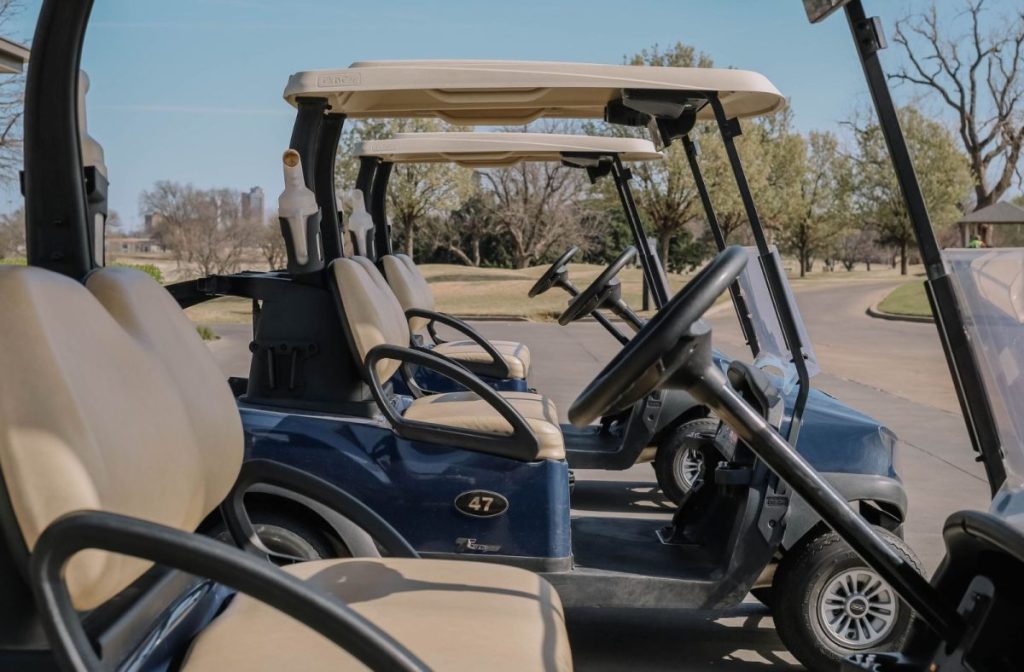
If you own a golf cart in South Florida, you already know how essential these vehicles are — whether you’re cruising through a retirement community, navigating a resort property, or zipping around a golf course during the busy winter season. But here’s a truth that many golf cart owners learn the hard way: waiting until your battery completely dies before replacing it is one of the most expensive mistakes you can make.
Strategic, proactive battery replacement isn’t just a maintenance tip — it’s a smart financial decision that protects your investment, extends your vehicle’s overall lifespan, and keeps you from being stranded at the worst possible moment. In this article, we’ll walk you through everything you need to know about golf cart battery replacement in South Florida, including when to replace, what to look for, and how a trusted local provider like South Florida Golf Carts can make the entire process seamless.
Why Battery Health Is the Heartbeat of Your Golf Cart
Your golf cart’s battery system is its most critical component. Unlike a gas-powered vehicle where you can limp along on a weak engine for a while, an electric golf cart with a failing battery pack will simply stop working — often without much warning. The battery doesn’t just power the motor; it controls everything from your lights and horn to your onboard electronics and charging systems.
In South Florida’s climate, battery health becomes even more of a pressing concern. The combination of intense heat, high humidity, and frequent use during peak tourist and snowbird season puts extraordinary stress on battery cells. Temperatures regularly exceed 90°F for months at a stretch, and that thermal stress accelerates the chemical degradation inside lead-acid and lithium batteries alike.
“A battery that might last five years in a cooler climate may only perform well for three to four years in South Florida’s heat and humidity. Planning your replacement schedule accordingly is the difference between smooth operation and an unexpected breakdown.”
Understanding the South Florida Peak Season Challenge
South Florida’s peak season — roughly October through April — is when golf courses, retirement communities, beach resorts, and residential neighborhoods see their highest traffic. Snowbirds return, tourists arrive, and golf cart usage spikes dramatically. This is precisely the worst time to discover that your battery pack is on its last legs.
During peak season, demand for battery replacements and repair services surges. Wait times can increase, parts may be temporarily backordered, and the cost of an emergency service call is almost always higher than a scheduled maintenance visit. If your golf cart breaks down during a busy weekend or in the middle of a community event, the inconvenience — and potential cost — multiplies quickly.
The True Cost of an Emergency Breakdown
Many golf cart owners focus solely on the price of a new battery pack when evaluating replacement costs. But the true cost of an emergency breakdown is much higher when you factor in:
Towing and emergency service fees: Emergency calls often carry premium pricing, especially on weekends or holidays. A service call that might cost $75 on a Tuesday morning could run $150 or more on a Saturday afternoon.
Accelerated damage to other components: When a battery pack fails progressively, it can damage your charger, controller, and motor over time. What starts as a battery issue can evolve into a much more expensive repair bill.
Lost use during replacement: If you depend on your golf cart for daily transportation within a community or property, being without it for several days during peak season is a real inconvenience that affects your quality of life.
Potential safety hazards: A severely degraded battery can swell, leak, or in rare cases overheat. In South Florida’s heat, these risks are amplified.
Signs Your Golf Cart Battery Needs Replacement Soon
Proactive battery management starts with knowing the warning signs. Fortunately, golf cart batteries don’t typically fail without giving you some advance notice — if you know what to look for.
Reduced Range and Performance
One of the earliest and most noticeable signs of battery degradation is a reduction in your golf cart’s range. If you used to comfortably complete 18 holes or travel across your community without issue, but now find yourself running low on power halfway through your trip, your battery capacity is diminishing. This gradual reduction in range is a clear indicator that your battery cells are aging and losing their ability to hold a full charge.
Longer Charging Times and Incomplete Charges
Healthy batteries charge within a predictable window. If you notice your charger running significantly longer than usual — or if it never seems to reach a full charge — the battery’s internal resistance has likely increased due to age and sulfation. In South Florida’s heat, this process can accelerate noticeably during summer months.
Visible Physical Damage
Inspect your batteries regularly for signs of swelling, corrosion around the terminals, cracked cases, or electrolyte leakage. These are not cosmetic issues — they indicate serious degradation and potential safety concerns. Corrosion on terminals is particularly common in South Florida due to the salt air and humidity in coastal communities from Miami to West Palm Beach.
Voltage Irregularities
If you have access to a voltmeter or your golf cart has a battery indicator, watch for inconsistent voltage readings. A battery pack that drops voltage rapidly under load, or that shows significant imbalance between individual cells, is nearing the end of its useful life.
Age of the Battery Pack
Even without obvious symptoms, age is a reliable indicator. Most lead-acid golf cart batteries have a functional lifespan of 4 to 6 years with proper maintenance. Lithium-ion batteries can last significantly longer — often 8 to 10 years — but they’re not immune to aging either. If your battery pack is approaching or has exceeded these benchmarks in South Florida’s demanding climate, proactive replacement is a wise move.
The Strategic Approach: Planning Your Battery Replacement
Rather than waiting for failure, smart golf cart owners treat battery replacement as a planned investment — similar to how you’d schedule a roof replacement before it starts leaking, not after. Here’s how to approach it strategically.
Schedule Replacement Before Peak Season Begins
The ideal window for golf cart battery replacement in South Florida is late summer to early fall — typically August through September. This is the off-season for most golf communities and resorts, service providers have more availability, and you’ll have your cart in top condition before the snowbirds arrive and usage ramps up. South Florida Golf Carts, for example, often sees their schedule fill up quickly as October approaches, so getting ahead of the curve ensures you receive prompt, attentive service.
Choose the Right Battery Technology for Your Needs
Not all golf cart batteries are created equal, and the right choice depends on how you use your cart, your budget, and your long-term goals.
Lead-Acid Flooded Batteries
These are the traditional, most affordable option. They require regular maintenance — checking water levels, cleaning terminals, and ensuring proper charging cycles. In South Florida’s heat, water evaporation from flooded cells is faster, so diligent maintenance is essential. While they have a lower upfront cost, their shorter lifespan and maintenance requirements can make them less cost-effective over time.
AGM (Absorbent Glass Mat) Batteries
AGM batteries are sealed, maintenance-free, and more resistant to vibration and temperature extremes. They’re a popular upgrade choice for South Florida golf cart owners who want better reliability without the premium price of lithium. They perform well in heat and don’t require the same level of regular maintenance as flooded lead-acid batteries.
Lithium-Ion Batteries
Lithium-ion batteries represent the premium tier of golf cart power. They’re significantly lighter than lead-acid alternatives (improving performance and efficiency), charge faster, last longer, and require virtually no maintenance. While the upfront investment is higher, many South Florida golf cart owners find that the extended lifespan, superior performance, and reduced maintenance costs make lithium a smart long-term choice — especially for heavy users.
Work with a Trusted Local Provider
Battery replacement is not a DIY project for most golf cart owners. Proper installation requires correct wiring, secure connections, appropriate torque on terminal bolts, and programming updates in some modern carts. Working with an experienced local provider ensures the job is done right the first time.
South Florida Golf Carts has built a strong reputation throughout the region for knowledgeable, professional service. Their team understands the specific challenges posed by South Florida’s climate and usage patterns, and they can help you select the right battery system for your specific cart model and lifestyle. From communities in Boca Raton and Delray Beach to neighborhoods in Naples and Fort Lauderdale, they’ve helped countless golf cart owners make smart, strategic decisions about their battery systems.
Maximizing Battery Life Between Replacements
Once you’ve invested in a new battery pack, protecting that investment with good maintenance habits is essential — especially in South Florida’s demanding environment.
Charge Consistently and Correctly
One of the most common mistakes golf cart owners make is inconsistent charging. Always charge your battery after use, even if you only made a short trip. Letting a lead-acid battery sit in a discharged state accelerates sulfation, dramatically shortening its lifespan. Use only a charger designed for your specific battery type and voltage.
Keep Batteries Clean and Terminals Corrosion-Free
South Florida’s salt air and humidity create ideal conditions for terminal corrosion. Regularly inspect and clean terminals with a baking soda solution and a wire brush. Apply terminal protector spray after cleaning to slow future corrosion. This simple habit can meaningfully extend battery life and prevent connection issues.
Store Properly During Extended Periods of Non-Use
If you’re leaving South Florida for the summer and your golf cart will sit unused for months, proper storage is critical. Ensure batteries are fully charged before storage, disconnect them if possible, and check charge levels monthly. Extreme heat in a closed garage can accelerate self-discharge and damage cells.
Avoid Deep Discharges
Running your battery pack completely flat on a regular basis significantly shortens its lifespan. Try to recharge before your battery indicator drops below 20-30% capacity. This is especially important during peak season when you may be tempted to squeeze in one more round before charging.
The Long-Term Value of Proactive Battery Management
When you step back and look at the full picture, the case for strategic battery replacement is compelling. A well-maintained golf cart with a healthy battery system retains its value better, performs more reliably, and costs less to own over time. For golf course operators, resort managers, and community HOAs that maintain fleets of golf carts, proactive battery management translates directly into lower operational costs and better guest or resident experiences.
For individual owners, it means peace of mind — knowing that your cart will start reliably every morning, complete your route without issue, and won’t leave you stranded in the Florida heat waiting for a service truck.
“The best time to replace your golf cart battery is before you need to. The second best time is right now — before peak season puts maximum demand on a system that may already be showing its age.”
Getting Started with South Florida Golf Carts
If you’re not sure whether your battery pack needs replacement, the smart first step is a professional assessment. South Florida Golf Carts offers battery evaluations that can give you a clear picture of your current battery health, expected remaining lifespan, and the most cost-effective path forward — whether that’s a full replacement now, targeted maintenance, or planning for replacement before next season.
Their team works with all major golf cart brands — Club Car, EZ-GO, Yamaha, and more — and carries a full range of battery options from trusted manufacturers. They can walk you through the pros and cons of each option based on your specific cart, usage patterns, and budget, without any pressure to upsell you on something you don’t need.
Don’t wait for a breakdown to take action. In South Florida’s competitive peak season environment, a proactive approach to golf cart battery replacement is one of the smartest investments you can make in your vehicle’s longevity and your own peace of mind.
Final Thoughts: Protect Your Investment Before It’s Too Late
Your golf cart is more than a convenience — in many South Florida communities, it’s a primary mode of transportation and a significant financial investment. Treating your battery system with the same strategic attention you give to other major vehicle maintenance decisions will pay dividends in reliability, longevity, and cost savings over time.
Peak season in South Florida is too important — and too busy — to risk a preventable breakdown. By planning your battery replacement proactively, choosing the right battery technology for your needs, and partnering with a knowledgeable local provider like South Florida Golf Carts, you can ensure that your golf cart is ready for whatever the season brings.
Reach out to South Florida Golf Carts today to schedule your battery assessment and take the first step toward a more reliable, longer-lasting golf cart experience. Your future self — the one who isn’t waiting for a tow truck on a beautiful Saturday morning — will thank you.