

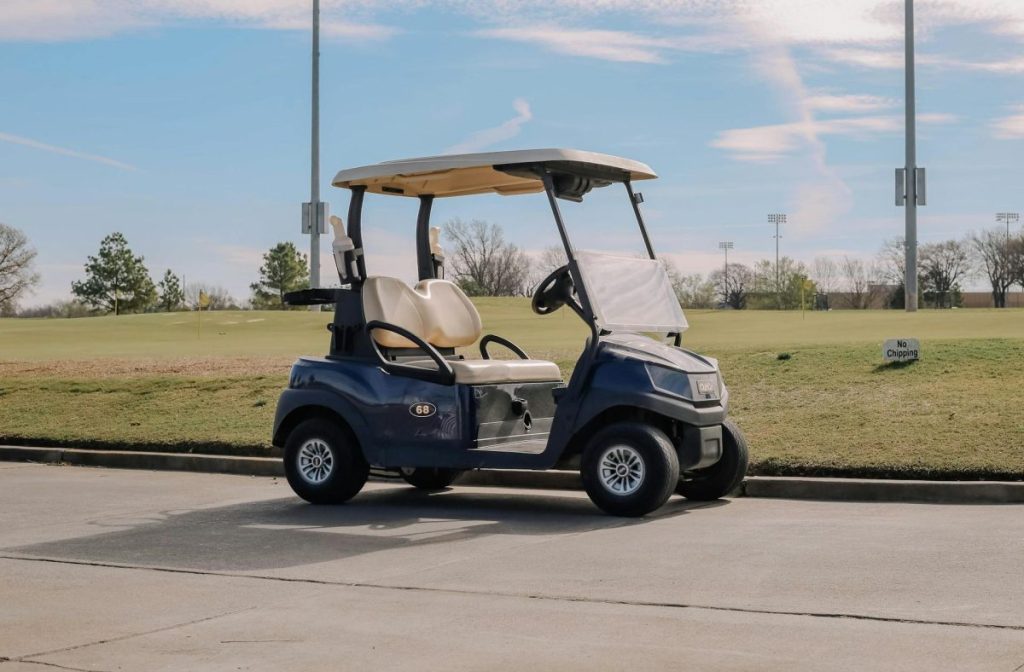
Golf carts are a popular mode of transportation in South Florida, especially for navigating the beautiful golf courses and scenic neighborhoods. However, like any vehicle, they require regular maintenance. One critical aspect of keeping your golf cart in top shape is ensuring the engine runs smoothly. This guide provides step-by-step instructions for DIY golf cart engine repair, empowering you to improve performance and extend the life of your cart.
Understanding Your Golf Cart Engine
Before diving into repairs, it’s essential to understand the basics of your golf cart engine. Golf carts typically run on either gas or electric engines, each with its own set of components and maintenance requirements. In South Florida, where the climate is warm and humid, it’s crucial to regularly check your engine to prevent overheating and corrosion.
Gas vs. Electric Engines
Gas engines rely on internal combustion to power the cart, while electric engines use batteries and an electric motor. Gas engines may require more frequent maintenance than electric ones due to their mechanical complexity. However, they offer greater power, making them a popular choice in areas with varied terrain, such as South Florida’s golf courses.
Key Components of a Golf Cart Engine
Whether gas or electric, key components of a golf cart engine include the carburetor, fuel pump, spark plugs, and battery. Understanding how these parts work together will help you diagnose and fix common issues.
Common Engine Problems and How to Fix Them
Golf cart engines, despite their simplicity, can develop a variety of issues that can range from minor inconveniences to significant malfunctions, impacting the cart’s performance and reliability. These issues can stem from various factors such as improper maintenance, wear and tear, or even manufacturing defects. It is essential for golf cart owners to be aware of these common problems to ensure the smooth operation of their vehicles.
By understanding the root causes of these engine issues, owners can effectively address them and prevent further complications that may lead to costly repairs or replacements. Implementing do-it-yourself (DIY) solutions can be a practical approach to resolving these engine-related concerns without the need for professional assistance, saving time and money in the process. However, it is crucial to exercise caution and follow specific guidelines and safety measures when attempting to troubleshoot and fix these problems independently. By being proactive and informed about the maintenance and care of golf cart engines, owners can prolong the lifespan of their vehicles and enjoy uninterrupted use on the road or the golf course.
Engine Won’t Start
If your golf cart engine won’t start, the first step is to check the battery connections. Corroded or loose connections can prevent the engine from receiving power.
“Ensure that battery terminals are clean and tightly secured. Use a wire brush to remove corrosion and ensure a solid connection.”
Engine Runs Rough
A rough-running engine could indicate a problem with the spark plugs or fuel system. Inspect the spark plugs for wear and tear and replace them if necessary. Additionally, check the fuel filter for clogs and clean or replace it as needed.
Overheating Issues
In the warm South Florida climate, overheating is a common problem. Regularly check the cooling system, including the radiator and coolant levels, to prevent overheating. Consider using a high-quality coolant designed for hot climates.
Tools and Materials Needed for DIY Repairs
Before starting any repair work, gather the necessary tools and materials. Having the right equipment on hand will make the process smoother and more efficient.
Essential Tools
- Socket set
- Wrenches
- Screwdrivers
- Multimeter
- Wire brush
Replacement Parts
For more extensive repairs, you may need replacement parts such as spark plugs, fuel filters, or a new battery. South Florida Golf Carts offers a wide selection of parts and accessories to ensure your golf cart performs at its best.
Step-by-Step DIY Engine Repair Guide
Now that you understand the basics, let’s walk through the process of performing a DIY engine repair.
Step 1: Perform a Basic Inspection
Begin the process by conducting a comprehensive examination of your engine. This step involves carefully scrutinizing every component of the engine to identify any visible indications of wear, tear, or malfunction. It is essential to inspect not only the external parts but also delve into the internal mechanisms to ensure a thorough assessment. When examining the engine, pay close attention to any potential issues such as cracks in the engine block, leaks in the hoses or gaskets, or any loose connections that could affect the performance of the engine.
By meticulously inspecting each part of the engine, you can detect any potential problems early on and prevent them from escalating into more significant issues that could lead to costly repairs.
Step 2: Test the Battery
Use a multimeter to check the voltage of your battery. A fully charged golf cart battery should read around 12.7 volts. If the reading is below 12 volts, consider charging or replacing the battery.
Step 3: Clean or Replace the Fuel System Components
Inspect the fuel lines, carburetor, and fuel filter for clogs or damage. Clean these components to ensure a smooth fuel flow to the engine.
Step 4: Replace Worn-Out Spark Plugs
Remove the spark plugs and inspect them for wear. If the electrodes are worn down or covered in deposits, replace them with new ones.
Step 5: Check the Cooling System
Inspect the radiator and coolant levels. Make sure there are no leaks and that the coolant is topped off to prevent overheating.
When to Seek Professional Help
While DIY repairs can solve many issues, some problems require professional attention. If your golf cart engine continues to perform poorly after following these steps, it may be time to consult a professional service like South Florida Golf Carts, which specializes in comprehensive engine diagnostics and repairs.
Regular maintenance and timely repairs can significantly enhance the performance and longevity of your golf cart engine. By following this guide, you can address common issues and keep your cart running smoothly in the sunny climes of South Florida. Remember, when in doubt, don’t hesitate to contact South Florida Golf Carts for expert advice and service.